



An Orange County arrest can turn an ordinary day into a scramble for answers. Your family wants to know when you can come home. You may worry about work, your children, and the date on your release paperwork.
Start by separating three events: an arrest, a prosecutor’s decision to file charges, and a conviction. They mean different things. Understanding that sequence helps you make better decisions before your first hearing.
This guide covers adult criminal cases in Orange County. Juvenile proceedings follow different rules. Your individual charges, custody status, and court orders will determine the next steps.
An arrest does not settle the case
Police investigate suspected crimes and make arrests. Prosecutors then review the available evidence and decide whether to file charges.
That review can produce several outcomes. A prosecutor may file the alleged offense, choose different charges, request more investigation, or decline prosecution.
Therefore, the offense on a booking record may differ from a later court complaint. Do not treat either document as a finding of guilt.
For families, this distinction has a practical consequence. Release from jail does not necessarily mean the investigation has ended. Keep every notice, and ask counsel to confirm the case’s status.
The California Courts guide to criminal charges explains the prosecutor’s role in starting a case.
Protect your rights during questioning
People often want to explain everything immediately. They hope one conversation will clear up a misunderstanding. Yet an interview can create a record before they understand the accusation or have reviewed the evidence.
You can clearly state that you want to remain silent and speak with an attorney. Avoid guessing, arguing about the evidence, or giving an improvised account.
Miranda warnings generally concern custodial interrogation. Officers do not have to recite them at every arrest regardless of whether questioning occurs.
Likewise, the absence of warnings does not automatically dismiss a case. A lawyer must examine custody, questioning, any waiver, and the statements prosecutors want to use.
Give your attorney the details of the encounter. Include who asked questions, what you said, and whether you requested counsel.
These protections stem from Miranda v. Arizona, which addresses statements during custodial questioning.
When will the first hearing happen?
For someone who remains in custody, California Penal Code section 825 generally requires an appearance without unnecessary delay. The statute sets a 48-hour limit, excluding Sundays and holidays, with additional court-session timing rules.
That means a simple calendar count may give the wrong answer. Ask counsel to review the arrest time and applicable rules.
If authorities release you with a future appearance date, follow those instructions. Do not assume that the custody deadline controls every later filing decision.
Photograph your paperwork as soon as possible. Then record the hearing date, courthouse, and case or citation number in one place.
Finding the correct Orange County courtroom
An arrest in Anaheim does not tell you everything about where to appear. The same applies to arrests in Irvine, Santa Ana, or Huntington Beach.
Orange County Superior Court directs defendants to the location on their citation, release papers, bond paperwork, or arraignment letter. Follow that document and confirm any later changes with counsel.
Before leaving home, check the department number and hearing time. Allow room for traffic, parking, security screening, and locating the courtroom.
The court also provides online case and calendar access. Use it to help verify information, but resolve discrepancies with your attorney or the clerk.
If your case does not appear on the posted calendar, check with the Criminal Division Clerk’s Office. Do not simply leave. The court’s appearance instructions explain this local procedure.
What happens at an Orange County arraignment?
The arraignment usually serves as the first court hearing. The judge explains the charges and your rights. The court also addresses representation and asks for a plea.
If you cannot afford counsel, tell the court. Eligible defendants can receive a court-appointed attorney. Ask for an interpreter if you need one.
An arraignment is usually not the occasion to present your complete defense. Discuss the allegations privately with your lawyer before deciding how to plead.
Guilty and no-contest pleas can carry consequences beyond custody. Immigration status, employment, and professional licensing may require separate attention.
Before you leave, confirm the next hearing and any release conditions. Ask your attorney whether you must personally attend each upcoming appearance. The California Courts arraignment guide provides further background.
Bail and release are separate from guilt
A release decision concerns where you will remain while the case proceeds. It does not determine whether the prosecution can prove the charge.
Depending on the circumstances, release may involve bail, a promise to return, or supervision. Some defendants remain in custody.
California’s pretrial services framework focuses on public safety and court attendance. The appropriate conditions depend on the case, rather than one answer for every arrest.
Tell your lawyer about your housing, employment, treatment needs, and caregiving duties. Provide accurate documents when available. Counsel can assess which information supports a release request.
Also, read every condition carefully. Do not assume that leaving jail ends your obligations.
If no case appears online, keep checking
This uncertainty causes understandable frustration. You may have a court date on paper but find no matching case online.
A missing search result does not prove that prosecutors rejected the matter. Online information and filing status require confirmation.
Save a record of your inquiries, including the date and person you contacted. Ask your attorney what to do about the scheduled appearance.
Check your mail and keep your contact information current with counsel. If a notice arrives, send a complete copy promptly. A photograph of only the first page may omit important instructions.
Most importantly, get confirmation that your attorney received the notice and recorded the date. Sending a message alone does not confirm that anyone acted on it.
What your lawyer reviews before trial
After an Orange County arrest, useful defense work often begins with records rather than courtroom speeches.
Counsel may review reports, witness accounts, recordings, photographs, and other available evidence. That process can reveal missing context or a disagreement about what actually happened.
For example, a short video may show an argument but omit the moments before it. Preserve the original file instead of trimming it.
Your lawyer may also evaluate legal motions, negotiations, and eligibility for alternative resolutions. None of those options guarantees a particular result.
In felony cases that proceed through a preliminary hearing, the judge decides whether sufficient evidence supports moving the case forward. That hearing does not decide guilt beyond a reasonable doubt.
Before accepting any proposal, ask what you must admit, what obligations follow, and what happens if you cannot complete them. The California Courts pretrial guide explains the stages between arraignment and trial.
Take protective orders seriously
Some cases involve orders restricting contact with a particular person. Read the exact language rather than relying on what you remember from court.
An invitation from that person does not itself change the judge’s order. Ask your lawyer about any requested modification before responding.
Also, avoid using relatives or social media to get around a restriction. Indirect contact may violate the order, depending on its terms.
Practical problems deserve prompt attention. Tell counsel if the order affects shared housing, child exchanges, or access to belongings. Seek a lawful arrangement instead of improvising one.
The California Courts protective-order guide explains common restrictions and the importance of following the order.
Preparing for your first attorney meeting
Bring your release papers, citation, notices, and any existing court orders. Include the arresting agency and booking or case number if you have them.
Next, prepare a short timeline. Separate what you personally remember from what someone else told you. Mark uncertain details rather than filling gaps.
Identify possible witnesses and relevant records. Let counsel decide how to approach witnesses; do not pressure anyone to change an account.
Keep potential evidence intact, including messages that seem unhelpful. Deleting material can create additional problems and deprive your lawyer of context.
Finally, write down your immediate concerns. Work travel, medical treatment, childcare, and language needs can affect preparation. Raising them early gives counsel time to address them.
Getting help after an Orange County arrest
You do not need to predict the final outcome to take useful action today. Confirm your next appearance, preserve your documents, and understand the conditions that apply.
The Law Offices of David S. Chesley serves clients facing criminal allegations in Orange County. An attorney can review your paperwork and explain the next steps for your circumstances.
Call (800) 755-5174 for a free consultation. Have your court notice nearby so you can provide the date and location accurately.
This article provides general information, not legal advice. An arrest does not establish guilt. Individual facts and current court orders control your case.
………………………………………..
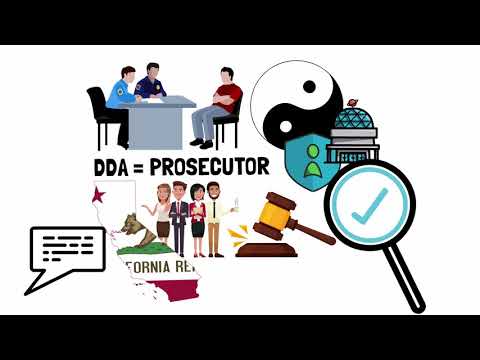
“What is the Court Process of a Criminal Case?” — Riverside County District Attorney’s Office. This video explains the general California process; use the Orange County links above for local appearance instructions.
Focus Phrase: Orange County arrest
Meta Description: Orange County arrest? Learn what happens at arraignment, how release works, and how to prepare for your first criminal court appearance.
